Putting the “GP” in “ChatGPT”
OpenAI's shiny new feature can integrate information from your phone and medical records to track your health.
Putting the “GP” in “ChatGPT”
In a long-anticipated move, OpenAI have released their own health chatbot: ChatGPT Health. What some are describing as a "doc in your pocket," the tool will be able to connect to multiple apps on your phone to spot health patterns you might miss, provide weight loss and diet advice, and help users understand and prepare for medical appointments.
40 million people already ask ChatGPT healthcare questions everyday. ChatGPT Health carves out a dedicated space for these questions.
However, OpenAI warns against using their chatbot as a diagnostic tool. “Health is designed to support, not replace, medical care,” they said. “It is not intended for diagnosis or treatment. Instead, it helps you navigate everyday questions and understand patterns over time -- not just moments of illness -- so you can feel more informed and prepared for important medical conversations.”
Individuals will be able to upload lab results -- though medical record integration will only be available to those in the US -- and control access to widely-used health and fitness tools like Apple Health and MyFitnessPal, offering a more personalized and smarter approach to those times when a hypochondriac-fueled deep-dive takes hold.
OpenAI has said that health information shared through the new tools will be kept separate from other chats and will not be used to train its models. But there are questions around security. Data shared with ChatGPT is not legally protected in the same way that medical records are; outside of the healthcare system, it is up to companies to decide how data is collected, used, shared, and stored. If the right protections aren’t put in place, millions of people’s sensitive health information could fall into the wrong hands.
It’s unclear what measures OpenAI will put in place. And on social media, eyebrows are being raised. One user commented a singular word, “Scary,” under the official announcement, with another person replying with: “We are all cooked sooner or later.”

A separate comment sarcastically says “Ah yes, because giving a corporation access to even MORE sensitive information is such a good idea, isn’t it?” They further add that the company doesn’t necessarily “have a good track record of data handling,” referencing a data breach that OpenAI confirmed just over a month ago.
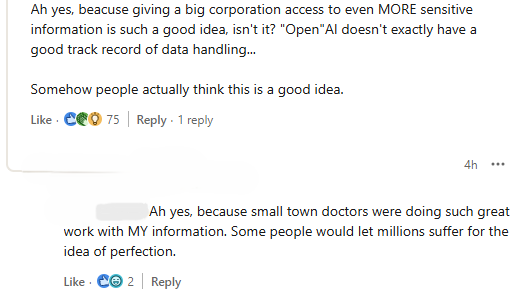
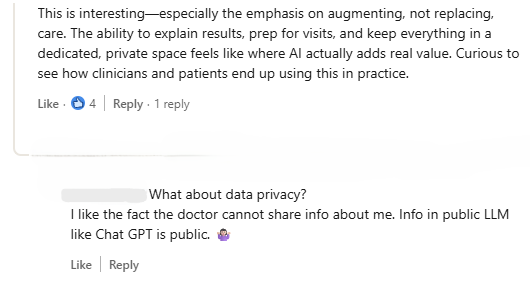
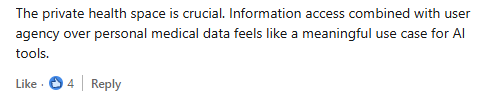
Despite data concerns, many people are excited about the launch. One individual told press that they already “constantly” use the chatbot for medical questions, but that health queries were lumped in with the rest of their “heavy usage” activities and that they wanted an exclusive health space. Others have praised the company for placing emphasis on “augmenting, not replacing,” medical decision making and describe the development as a “meaningful use case for AI tools.”
OpenAI said that they will initially roll out the feature to a small group of early users with ChatGPT Free, Go, Plus, and Pro plans across the globe to test the experience. However, those in the European Economic Area, Switzerland and the United Kingdom will not have access – for the time being – because of stricter regulations.
.png)
.png)
.png)